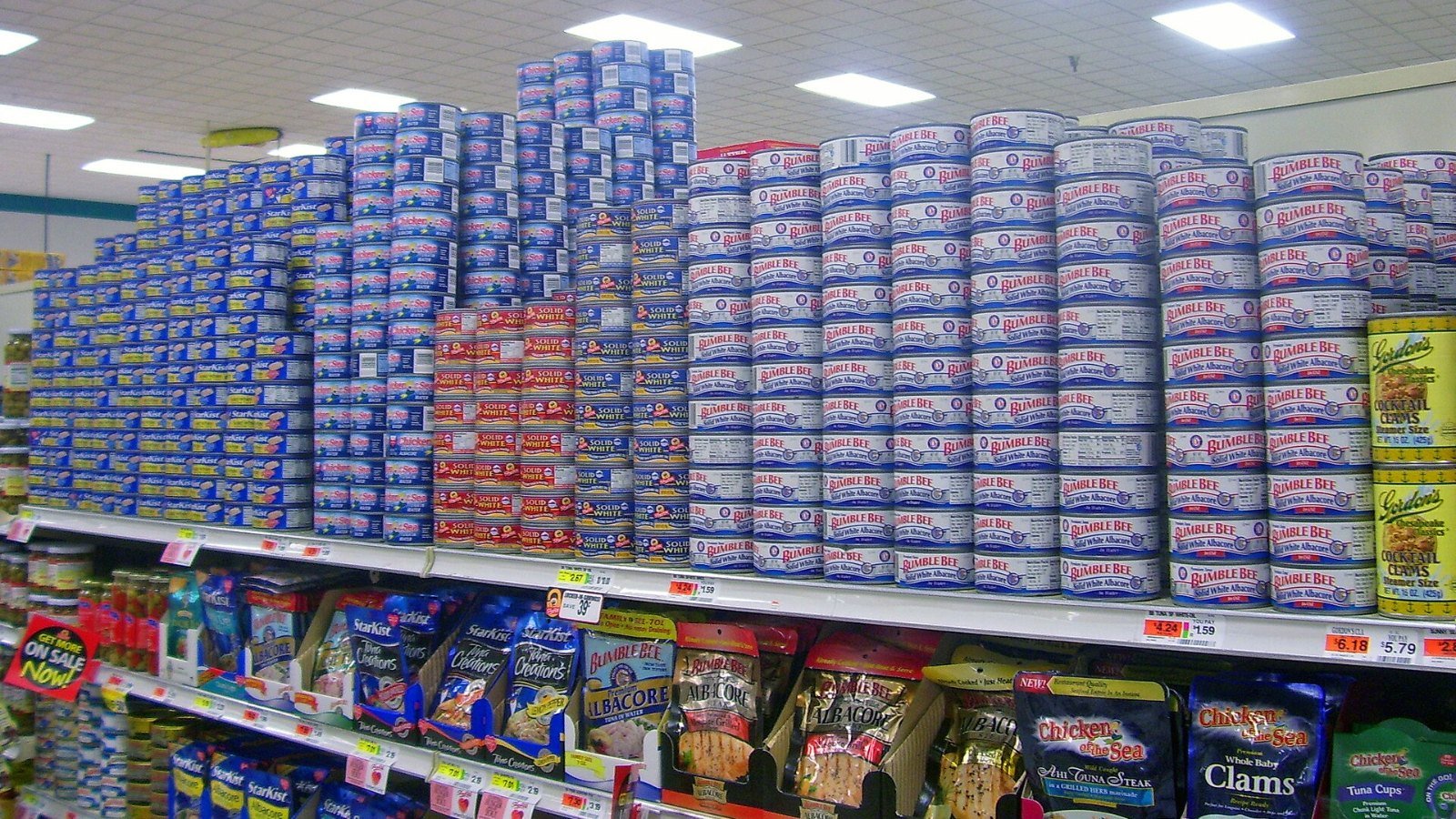
Ultra-processed food accounts for roughly 51 per cent of energy intake among British adults and around 68 per cent among adolescents. Those numbers are not disputed and they are genuinely striking — a majority of the calories consumed in Britain now come from products that would not have been recognisable as food a century ago. What follows from that observation is where the argument begins.
The UK government’s independent advisers examined the question directly. The Scientific Advisory Committee on Nutrition issued a statement in July 2023 and a rapid evidence update in April 2025, and its central conclusion was methodological rather than dietary: the evidence linking ultra-processed food to poor health outcomes is almost exclusively observational. It also criticised the NOVA classification system that defines the category, on the grounds that NOVA groups together products with very different nutritional profiles.
The classification problem is real
NOVA classifies by degree of industrial processing, not by nutritional content. This produces genuinely odd results. Mass-produced wholemeal bread, shop-bought baked beans and supermarket wholegrain breakfast cereal are ultra-processed. So are confectionery, sugary drinks and reconstituted meat products. Treating those as a single exposure category makes it difficult to establish what is actually causing observed associations.
The plausible confounder is straightforward: diets high in ultra-processed food tend to be high in free sugars, saturated fat and salt, and low in fibre. If those nutritional characteristics explain the health outcomes, then processing is a marker rather than a mechanism. If processing itself matters — through additives, textural changes that affect satiety, or something else — then the nutritional profile is only part of the story. The current evidence base cannot cleanly separate the two, which is what SACN said. Its published statement is available through the government scientific advice collection.
What the diet survey actually shows
The National Diet and Nutrition Survey covering 2019 to 2023, published on 11 June 2025, is arguably more useful than the UPF debate itself, because it measures nutrients rather than processing categories. Free sugars accounted for 10.4 per cent of energy against a recommendation of 5 per cent. Saturated fat was 12.6 per cent against a 10 per cent recommendation. Fibre intake averaged 16.4 to 16.9 grams against a 30 gram recommendation, with only about 4 per cent of the population meeting it. Just 17 per cent met the five-a-day fruit and vegetable guideline.
The fibre figure is the one that deserves more attention than it receives. Four per cent compliance is not a shortfall; it is near-total non-achievement of a recommendation with strong evidence behind it for cardiovascular and bowel health. Whatever one concludes about processing, that gap is measurable, uncontested and actionable. Practical guidance on structuring meals around it is set out in the NHS Eatwell Guide.
Where policy has landed
A House of Lords committee report published on 24 October 2024 examined food, diet and obesity and pressed for stronger intervention. The government’s Healthy Food Standard, announced on 29 June 2025, targets products high in fat, salt and sugar rather than ultra-processed food as a category — a choice that follows directly from SACN’s reasoning. The Food Standards Agency declined in May 2024 to advise consumers to avoid ultra-processed food, again citing insufficient causal evidence.
Critics argue this is excessive caution given the scale of the association. Defenders argue that advising avoidance of a category including wholemeal bread and baked beans would damage public trust in nutrition advice while pushing some people towards worse alternatives. Both positions are defensible.
A usable conclusion
The practical guidance that follows from the actual evidence is less dramatic than either camp would like. Increasing fibre substantially is well supported and almost nobody in Britain is doing it. Reducing free sugars and saturated fat is well supported and most people are above the recommended levels. Both of those changes will, incidentally, reduce ultra-processed food intake considerably — because the products driving sugar and saturated fat intake are largely the same products the category is worried about.
What is not well supported is the idea that processing per se is the thing to fear, or that a food is safe because it is unprocessed and dangerous because it is not. Home-made cake is minimally processed and nutritionally poor. Tinned pulses are processed and excellent. Reading nutritional composition remains a better guide than reading a processing category, at least until the causal research catches up with the observational literature.
Why this matters to UK readers
This report is for general information and does not replace individual medical advice. Symptoms, eligibility and treatment decisions differ between people; UK readers should use current NHS guidance and speak with a qualified healthcare professional when personal assessment is needed.
PR Press will continue to review developments related to Ultra-Processed Food and the UK Diet: What the Evidence Really Says and update the coverage when reliable new information becomes available.
Sources and further reading
- government scientific advice collection (gov.uk)
- NHS Eatwell Guide (nhs.uk)
- Food Standards Agency (food.gov.uk)