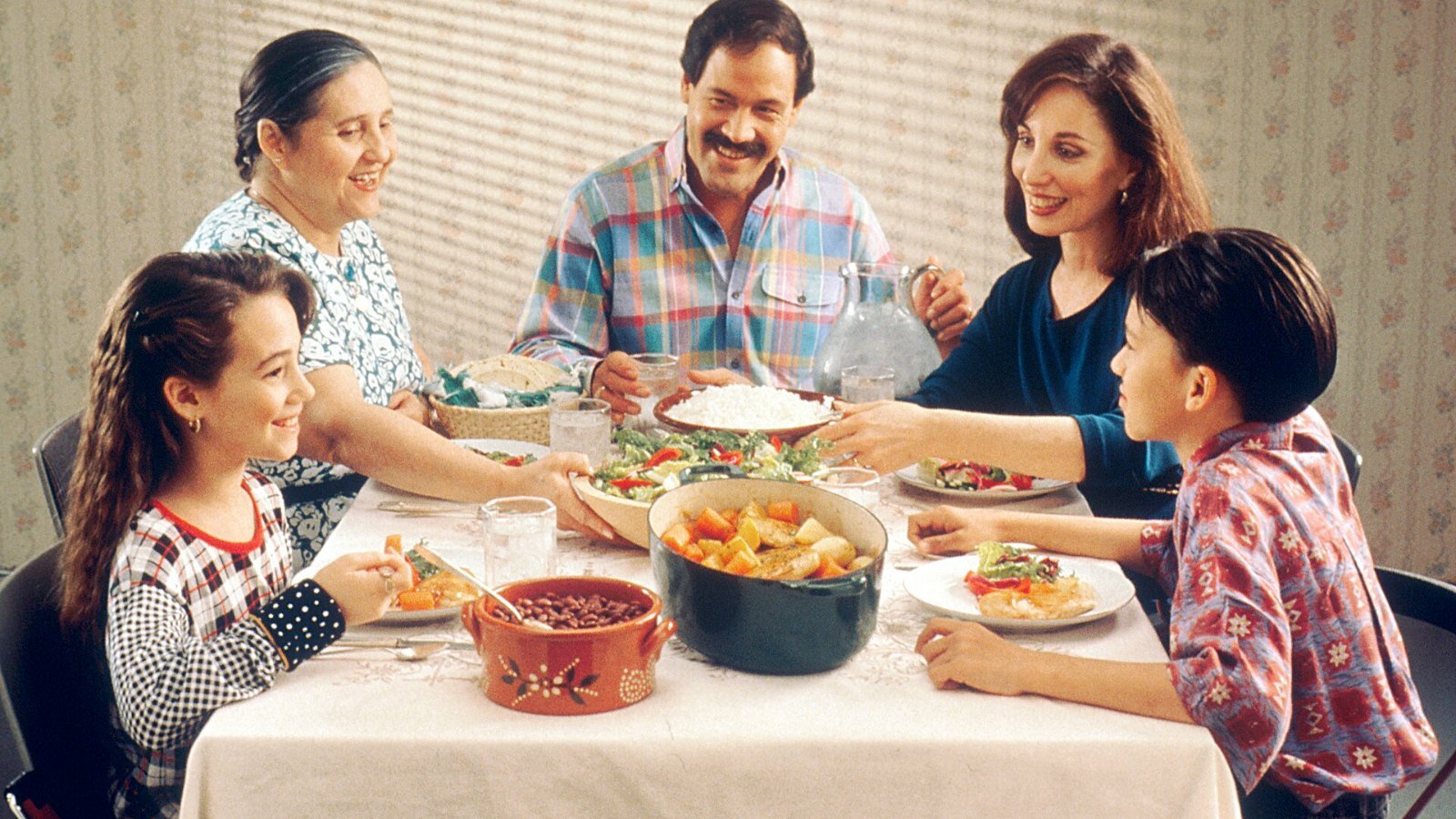
The weekly food shop is one of the few economic behaviours nearly every household performs and almost nobody examines closely. Several years of sustained food price increases forced that examination on millions of British families, and what has emerged is a set of habits that look less like temporary belt-tightening and more like a permanent shift in how people buy food.
The most visible change is own-brand substitution. Supermarket own-label ranges, historically positioned as a compromise, absorbed a substantial share of volume during the inflationary period and have largely kept it. The reason is simple and slightly awkward for branded manufacturers: households that switched under pressure frequently found the difference smaller than expected, and having established that, had no reason to switch back when circumstances eased. Current price movements across food categories are tracked in the Office for National Statistics inflation and price indices.
Batch cooking became mainstream
Cooking in volume and freezing portions moved from a niche practice associated with careful budgeting to something close to a default among households with children. The logic is threefold: bulk ingredients cost less per portion, cooking once rather than five times reduces energy use, and having prepared food available removes the weekday moment where tiredness leads to takeaway.
That third factor is probably the largest saving and the least measured. The cost differential between a home-cooked meal and a delivered one is far greater than any saving available through supermarket choice, so a habit that reliably prevents the substitution is worth more than careful shopping. Households that batch cook report the change as being about capacity rather than cost — they are buying future evenings, not just cheaper food.
Waste is where the real money sits
Household food waste remains the largest single source of avoidable food expenditure in Britain, and reducing it produces savings that comfortably exceed anything achievable through price comparison. Guidance and household-level data on this is published through WRAP’s food and drink programme, which has consistently found that a small number of categories — bread, milk, potatoes, bagged salad — account for a disproportionate share of what gets thrown away.
The practical interventions are unglamorous. Freezing bread on the day of purchase rather than watching it stale. Checking what is already in the fridge before shopping rather than after. Planning three or four meals rather than seven, which sounds like less planning but produces less waste because it leaves room for what actually gets eaten. Storing food properly, particularly herbs and salad, which spoil faster than almost anything else in a typical shop.
The shopping frequency question
British households have partially reversed a long-running trend towards the single large weekly shop, moving back towards more frequent smaller trips. The evidence on whether this saves money is genuinely mixed. Smaller shops reduce waste because purchases match near-term consumption more closely. They also increase exposure to impulse buying and forgo the per-unit savings of larger pack sizes.
The determining factor appears to be household organisation rather than shopping pattern. A household that plans meals saves money on a large weekly shop; one that does not saves money shopping frequently, because frequent shopping enforces a rough kind of planning by proximity. Neither approach is superior in the abstract.
Nutrition under budget pressure
The uncomfortable dimension of food budget management is that the cheapest calories are rarely the best ones. Energy-dense packaged food is inexpensive per calorie, and households squeezing a food budget frequently reduce fresh produce first because it is the most expensive per calorie and the most likely to spoil.
There are workarounds that hold up. Frozen vegetables are nutritionally comparable to fresh, cost less, and do not spoil — which addresses both problems simultaneously. Tinned pulses are among the cheapest sources of protein and fibre available anywhere in a supermarket. Seasonal produce is cheaper for straightforward supply reasons. Practical structuring guidance is available through the NHS Eat Well resources.
What has genuinely changed in British food shopping is the assumption that brand loyalty and convenience are worth paying for by default. Households now interrogate that assumption item by item, and having done so once, most appear to have kept doing it. Retailers understood this before consumers articulated it, which is why own-label ranges have expanded and improved rather than contracted as inflation eased. The shift was not temporary and the market has already priced that in.
Why this matters to UK readers
The practical value of this topic depends on personal circumstances, location and budget. Readers should compare current primary information, distinguish verified facts from commentary and consider whether the advice fits their own needs before acting.
PR Press will continue to review developments related to How British Households Are Rethinking the Family Food Shop and update the coverage when reliable new information becomes available.
Sources and further reading
- Office for National Statistics inflation and price indices (ons.gov.uk)
- WRAP’s food and drink programme (wrap.ngo)
- NHS Eat Well resources (nhs.uk)