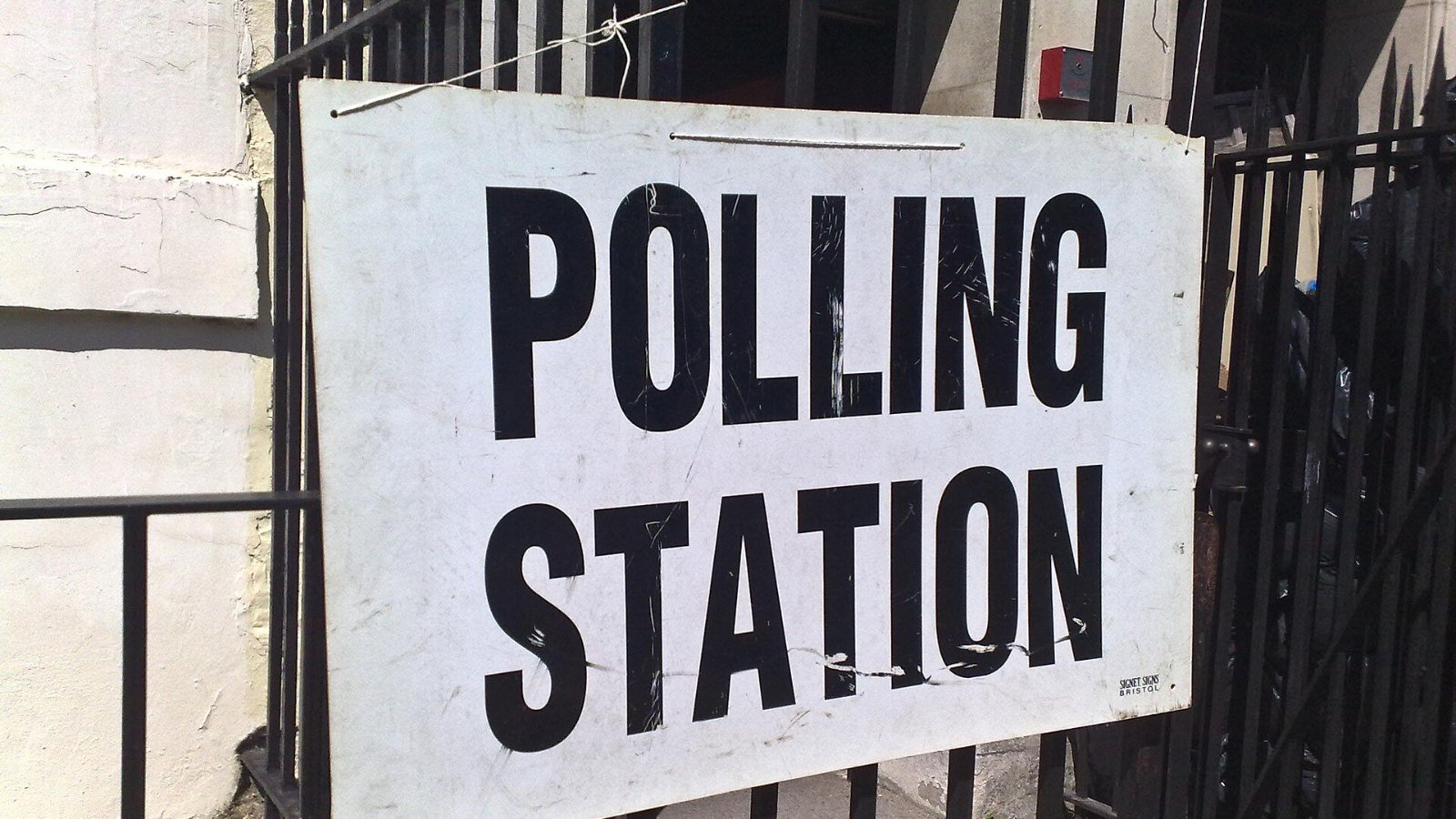
Photo identification has been required at polling stations in Great Britain since May 2023. Three years and two national tests later, there is enough published evidence to move the argument from prediction to measurement.
The numbers, as recorded
At the July 2024 general election, the Electoral Commission recorded that at least 0.25 per cent of people who turned up at a polling station – roughly 50,000 voters – were not initially issued with a ballot paper because of the identification requirement. Around 16,000 of them, about 0.08 per cent of polling-station voters, did not come back and did not vote.
The first full test, the May 2023 English local elections, produced a higher rate: at least 0.7 per cent were initially turned away, and around 14,000 people, 0.25 per cent, were unable to vote. The improvement between 2023 and 2024 is consistent with familiarity effects, though a general election also draws a different and more motivated electorate than local polls.
Both figures are floors rather than totals. They count people who reached a polling station and were logged. They cannot count anyone who did not attempt to vote because they knew they lacked accepted identification, which is the group most likely to be affected and the hardest to measure. The Commission’s own voter ID research is explicit about that limitation.
The free-ID scheme has low take-up
The policy’s designed mitigation is the Voter Authority Certificate, free on application to anyone without accepted photo ID. Around 89,500 applications were made before the May 2023 elections, of which roughly 25,000 were used. By the July 2024 general election, more than 210,000 certificates had been applied for, and around 26,000 were used on polling day.
The ratio matters more than the totals. On both occasions, most people who took the trouble to obtain a certificate did not use it at a polling station – some voted by post, some did not vote. And the numbers sit well below the scale of the identified need. The Electoral Commission estimated in 2022 that around 4 per cent of adults in Great Britain, roughly 1.9 million people, lacked any form of accepted photo identification, with rates higher among social renters, unemployed people and those with disabilities. Government estimates were lower, closer to 2 per cent. Either estimate is an order of magnitude above certificate take-up.
Why the accepted-ID list is the real policy
Much of the practical effect of voter ID comes not from the requirement itself but from which documents count. The original list accepted several forms of ID held disproportionately by older voters, including older person’s bus passes, while equivalents held disproportionately by younger voters, such as student cards or young person’s railcards, were excluded. A Veteran Card was added for the May 2025 local elections.
This is why the debate has narrowed onto the schedule of documents. Expanding or contracting that list changes who is affected far more cheaply than changing the requirement in principle.
What the current bill would change
The government set out its intentions in the Strategy for Modern and Secure Elections in July 2025, and the Representation of the People Bill was introduced on 12 February 2026, reaching second reading on 2 March. Two provisions matter most for this question. The first would accept UK bank cards as valid identification – a document held far more widely than any current option, including by most of the group the Commission identified as lacking accepted ID. The second would lower the voting age to 16.
Read together, those changes point to a settlement in which the requirement stays but the barrier is lowered substantially. Whether that satisfies either side of the original argument is a political question. Whether it reduces the number of people turned away is an empirical one, and the answer will be measurable at the next set of polls.
How to avoid being turned away
The practical guidance has not changed. Check the accepted-document list published by the Electoral Commission rather than assuming a familiar document qualifies. Expired photo ID is accepted provided the photograph is still a recognisable likeness, which surprises many voters. If you have no accepted document, apply for a Voter Authority Certificate well before the statutory deadline, which falls several days before polling day. And if you are turned away, you may return with valid identification at any point before the poll closes – the roughly 34,000 voters who did exactly that in 2024 are the difference between the two figures quoted above.
The honest summary
The recorded number of people prevented from voting by identification rules is small as a share of turnout and large in absolute terms – tens of thousands of citizens at each national poll. It is not distributed evenly. It is falling as the system beds in, and would likely fall further if bank cards are accepted. Those three statements are all supported by the published evidence, and any account that offers only one of them is selecting.
Why this matters to UK readers
The wider UK significance depends on what happens next and how official data develops. Readers should note the date of each source, distinguish confirmed facts from forecasts or political claims, and consult the linked primary material for the latest position.
PR Press will continue to review developments related to Voter ID Three Years On: What the Evidence Says About Who Gets Turned Away and update the coverage when reliable new information becomes available.
Sources and further reading
- polling station (gov.uk)
- Electoral Commission (electoralcommission.org.uk)
- Voter Authority Certificate (electoralcommission.org.uk)
- Representation of the People Bill (commonslibrary.parliament.uk)