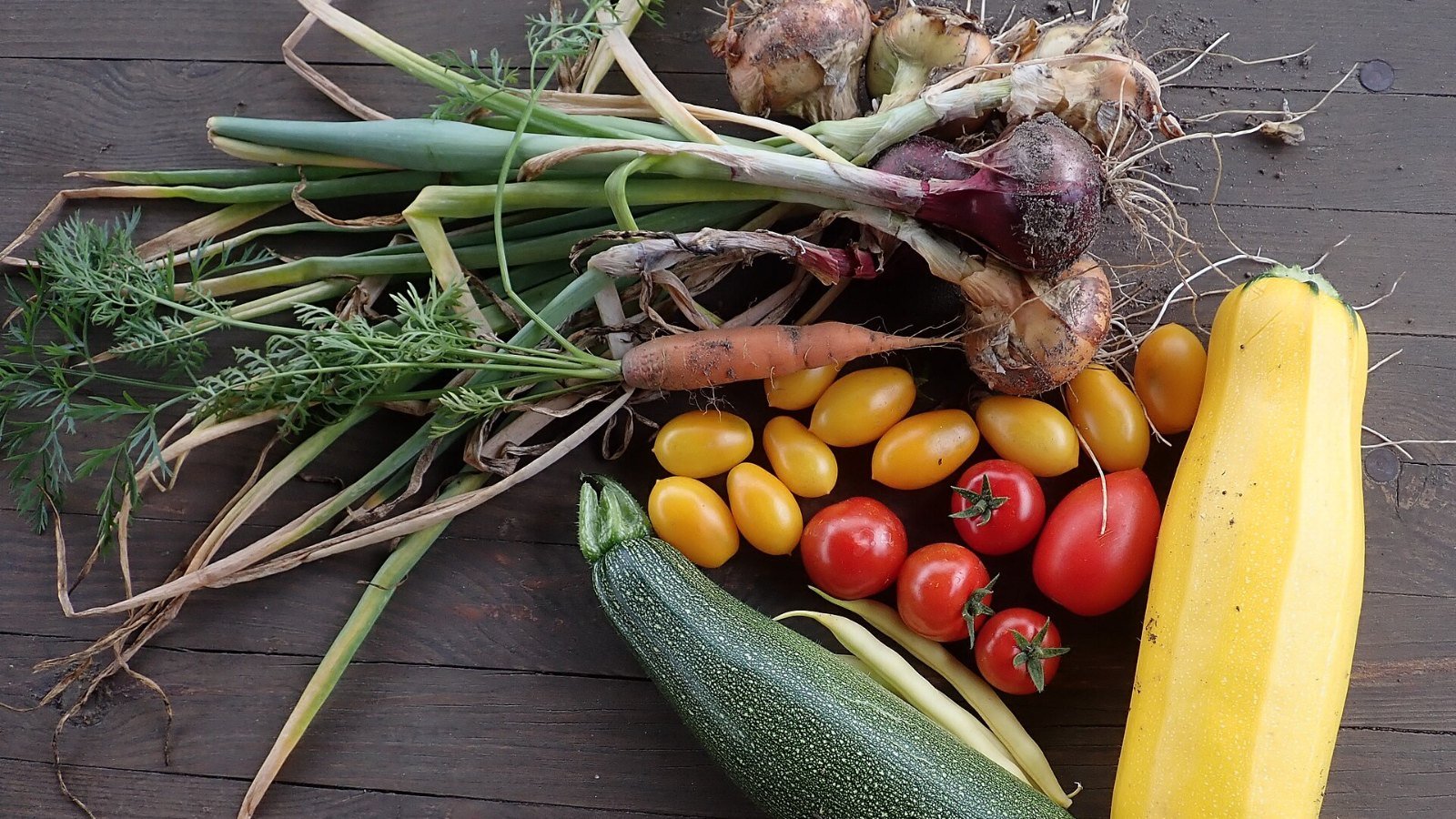
Ask a British local authority about allotment provision and the conversation quickly turns to waiting lists. In many urban councils the wait for a standard plot runs to several years, and in some it is long enough that officers have stopped quoting an estimate. Demand for growing space has risen consistently for well over a decade while the supply of statutory allotment land has barely moved.
The legal framework is older than most of the demand. Local authorities have duties relating to allotment provision dating back to legislation from the early twentieth century, and the practical effect of those duties is weaker than their existence suggests — councils must consider demand but face few enforceable consequences for failing to meet it. Residents looking for a plot can search availability through the government’s find an allotment service, though in practice the result is usually a place on a list.
Community gardens filled the gap
What has grown fastest is not allotments but community gardens — shared growing spaces on land that is often not council-owned at all. Churchyards, housing association grounds, school margins, disused corners of business parks and land awaiting development have all been converted, usually by a small group of residents who asked a landowner for permission and then did the work.
The model differs from allotments in a way that turns out to be an advantage. An allotment is an individual plot with individual responsibility, which suits committed gardeners and excludes people who cannot commit to weekly maintenance for a full season. A community garden distributes both the work and the produce, which lowers the barrier to entry considerably. Someone who can contribute two hours a month can participate meaningfully in a community garden and would fail at an allotment. Guidance and support for setting one up is provided by the Royal Horticultural Society community gardening programme.
Why people actually take part
The economic case for growing your own food is weaker than enthusiasts often claim. Accounting honestly for seeds, compost, tools, water and above all time, most allotment holders do not save money relative to buying vegetables. The people who do tend to be those growing high-value crops that are expensive or poor quality in shops — soft fruit, salad leaves, herbs, unusual varieties — rather than those growing potatoes and onions.
The reasons people give for participating are consistently different from the reasons outsiders assume. Time outdoors, physical activity that does not feel like exercise, contact with neighbours across age and background lines, and the specific satisfaction of a task with a visible outcome. Allotment sites are among the few remaining spaces in British life where people in their twenties and their eighties routinely have extended conversations, and participants mention this unprompted far more often than they mention vegetables.
The pressures on the land
Growing space faces sustained competition. Allotment land in urban areas carries substantial development value, and while statutory allotments have some protection from disposal, the protection is procedural rather than absolute. Community gardens on borrowed land are considerably more vulnerable, because the arrangement is typically informal and ends whenever the landowner’s plans change — frequently just as the soil has been brought into good condition.
Water is the emerging practical constraint. Drier summers have made unirrigated sites harder to manage, and metered water at some sites has become a meaningful cost. Sites are increasingly investing in rainwater capture, which works well in an average year and inadequately in a dry one. Representation and advice for plot holders on these issues is handled by the National Allotment Society.
Getting started without a plot
Join the waiting list anyway, immediately, even if you are not certain. Lists move slowly and there is no cost to being on one; the worst outcome is being offered a plot you decline. Ask specifically about half plots, which turn over faster and are more manageable for a first-time grower than a full one.
In the meantime, find a community garden. Most welcome new participants and almost all need help, and a season of shared growing teaches more than any amount of reading about what a plot actually requires. It is also the most reliable way to discover whether you enjoy it before committing to five years of tenancy.
And do not underestimate containers. A sunny doorstep or balcony will support tomatoes, herbs, salad leaves, chillies and beans productively enough to be worth doing. It is not the same as a plot and it is available now, which for anyone facing a four-year waiting list is the relevant comparison.
Why this matters to UK readers
The practical value of this topic depends on personal circumstances, location and budget. Readers should compare current primary information, distinguish verified facts from commentary and consider whether the advice fits their own needs before acting.
PR Press will continue to review developments related to The Quiet Boom in UK Community Gardens and Allotments and update the coverage when reliable new information becomes available.
Sources and further reading
- find an allotment service (gov.uk)
- Royal Horticultural Society community gardening programme (rhs.org.uk)
- National Allotment Society (nsalg.org.uk)