UK storm updates: Widespread severe weather warnings and travel delays as Storm Benjamin brings flood risks across the country.
LONDON – Storm Benjamin continues to make a dramatic impact across the UK, bringing powerful winds and relentless rain that trigger urgent weather warnings. People in towns and cities throughout England, Scotland, Wales, and Northern Ireland now face several days of adverse conditions, with flood risks steadily increasing.
Which Areas Are Most Affected?
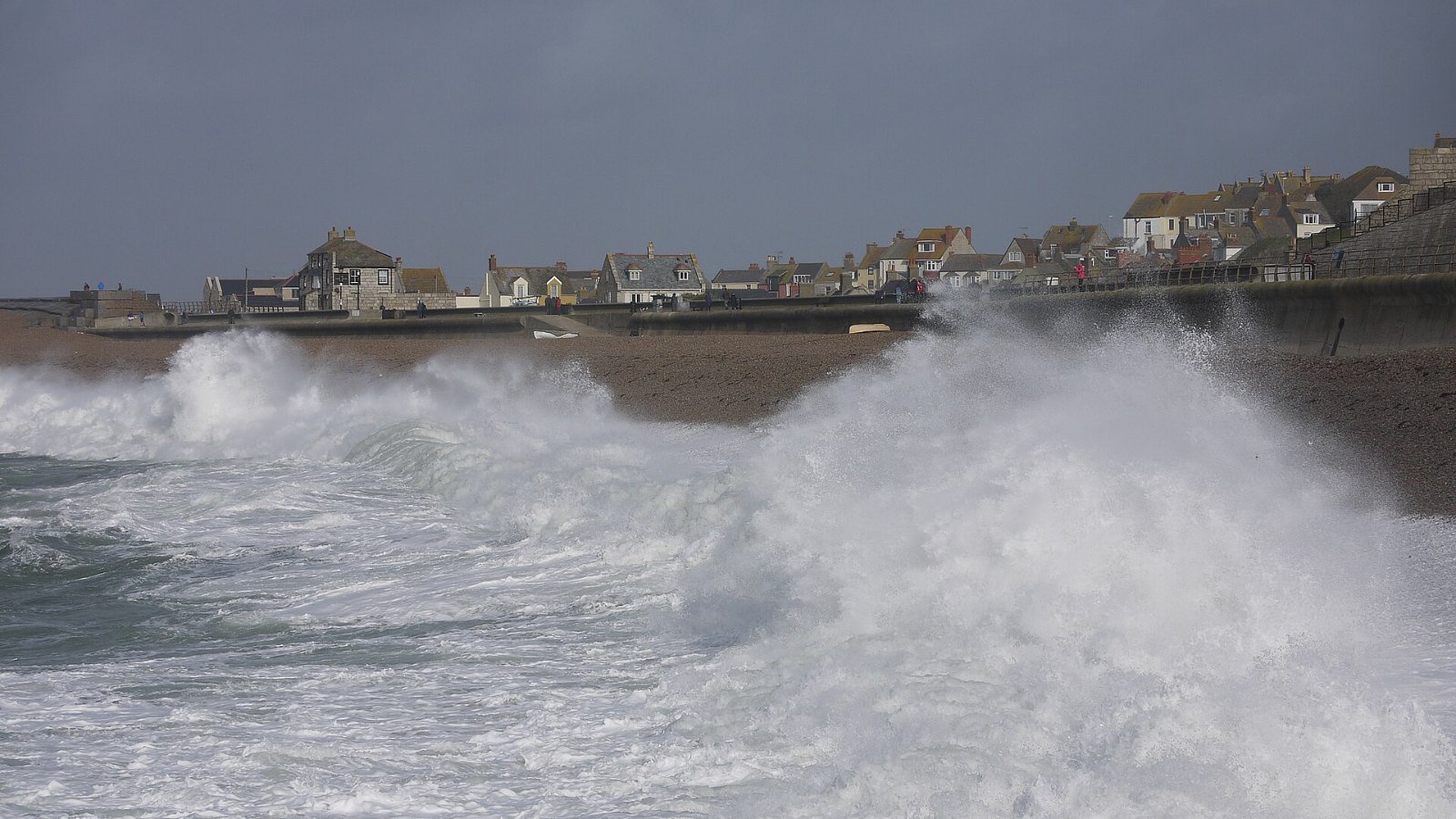
Storm Benjamin swept in from the west, hitting coastal communities across southwest England and western Wales with fierce gusts. As a result, inland regions are now grappling with heavy rainfall that threatens localized flooding, particularly in Scotland and Northern England. Cities such as Manchester, Cardiff, and Glasgow are bracing themselves for some of the worst weather.
Met Office Warnings and How to Stay Safe
The Met Office has issued amber and yellow severe weather alerts for much of the UK. Notably, these warnings urge residents to stay vigilant against strong winds and intense rainfall. You should frequently check for updates and secure outdoor belongings like bins and furniture. If you need to travel, always take extra care and consider alternative plans.
UK Storm Updates: Disruption on Roads, Rail, and in Schools
Due to the harsh weather, travel disruption remains widespread. Many major train routes now operate at reduced speed or frequency, while roads and bridges—especially in southern and coastal regions—have closed intermittently because of high winds. If you’re planning to travel, check timetables and routes in advance. Moreover, many schools and events postponed activities for safety, so parents and attendees should review local websites for the latest information.
Power Cuts and Flood Alerts for the UK
Ongoing storms already caused several power cuts, especially in areas battered by wind and rain. In response, electricity companies dispatched extra teams for rapid repairs. Meanwhile, local agencies have sounded dozens of flood alerts, particularly along coastlines and rivers. Authorities strongly advise everyone to avoid walking or driving through flooded areas, emphasizing that safety comes first.
Simple Steps to Prepare for Storm Benjamin
If you want to prepare for the worsening weather, take these steps:
- Secure or bring indoors anything the wind might blow away
- Ensure torches, batteries, and power banks remain charged
- Prepare an emergency kit with essential supplies
- Limit travel and check updates before heading out
- Steer clear of coasts, riverbanks, and flood-risk zones
What the Experts Are Saying
Forecasters and emergency services agree—Storm Benjamin’s fast-moving system can produce sudden changes in weather within hours. Because of this unpredictability, they urge the public to pay close attention to ongoing UK storm updates and follow all safety instructions. By being alert, you can help prevent harm to yourself and others.
Comparing Benjamin to Previous UK Storms
When you compare Storm Benjamin to recent UK storms, you’ll notice its broad scope and the sheer number of warnings are unusual. The volume of travel delays, school closures, and flood alerts highlights how vulnerable the UK remains to severe weather events. Nonetheless, each storm reminds communities about the importance of preparation and resilience.
Where to Get Reliable Updates
To stay safe and on top of the latest weather news, head to official sources such as the Met Office or the Environment Agency. Additionally, visit SEPA in Scotland and local transport operator sites for up-to-date travel disruption and flood risks. Always double-check important alerts and don’t rely on unverified information from social media.
As Storm Benjamin continues to sweep across the UK, staying informed and cautious will help you and your family stay safe.
How UK storms are named and warned
Named storms in Britain follow a system introduced to make severe weather communication clearer and more consistent. Names are assigned from a pre-agreed seasonal list by a group of national meteorological services working together, and a storm is named when it is expected to cause medium or high impact — a judgement about consequences rather than purely about wind speed.
The warning system that accompanies it uses three colours, and the distinction between them is frequently misread. Yellow means be aware: some disruption is likely for some people. Amber means be prepared: there is an increased likelihood of impacts including travel disruption and potential risk to life or property. Red means take action: dangerous weather is expected and significant disruption or danger to life is likely. Warnings are issued against likelihood and impact together, which is why a very likely but low-impact event and a less likely but severe one can carry the same colour.
Detailed forecasts and live warnings for the UK are published by the Met Office, which is the appropriate source to check during an active storm rather than social media, where images from previous events circulate readily and out of context.
Practical preparation is unglamorous and effective. Secure garden furniture, trampolines and bins, which cause a substantial share of wind-related property damage. Charge devices and keep a torch accessible in case of power interruption. Avoid coastal paths and promenades during high winds, where wave overtopping is the most common cause of storm fatalities in Britain. Check travel before leaving rather than at the station, as rail speed restrictions are frequently imposed pre-emptively.
Flooding, rather than wind, causes most storm-related property damage in the UK. Households in flood-risk areas can register for direct warnings, and knowing whether your property is at risk is worth establishing before a storm is forecast rather than during one.
Sources and further reading
- Met Office (metoffice.gov.uk)
- Met Office (metoffice.gov.uk)