LONDON – Swedish climate activist Greta Thunberg has become a familiar presence in the UK. Her influence is once again making waves. After a string of high-profile appearances and recent statements, Thunberg’s impact is seen on both the streets and in political debates—especially around Net Zero and UK climate policy. For more on current UK climate policy, visit the UK Government’s official climate change strategy.
Some critics may call Greta uncompromising, yet her direct approach stands out in political discussions. In recent weeks, she has drawn attention to what she calls “inaction” and “broken climate promises.” These words are making leaders and citizens alike reflect on whether the UK is truly doing enough to address climate change.
Climate Protests Rise Across the UK
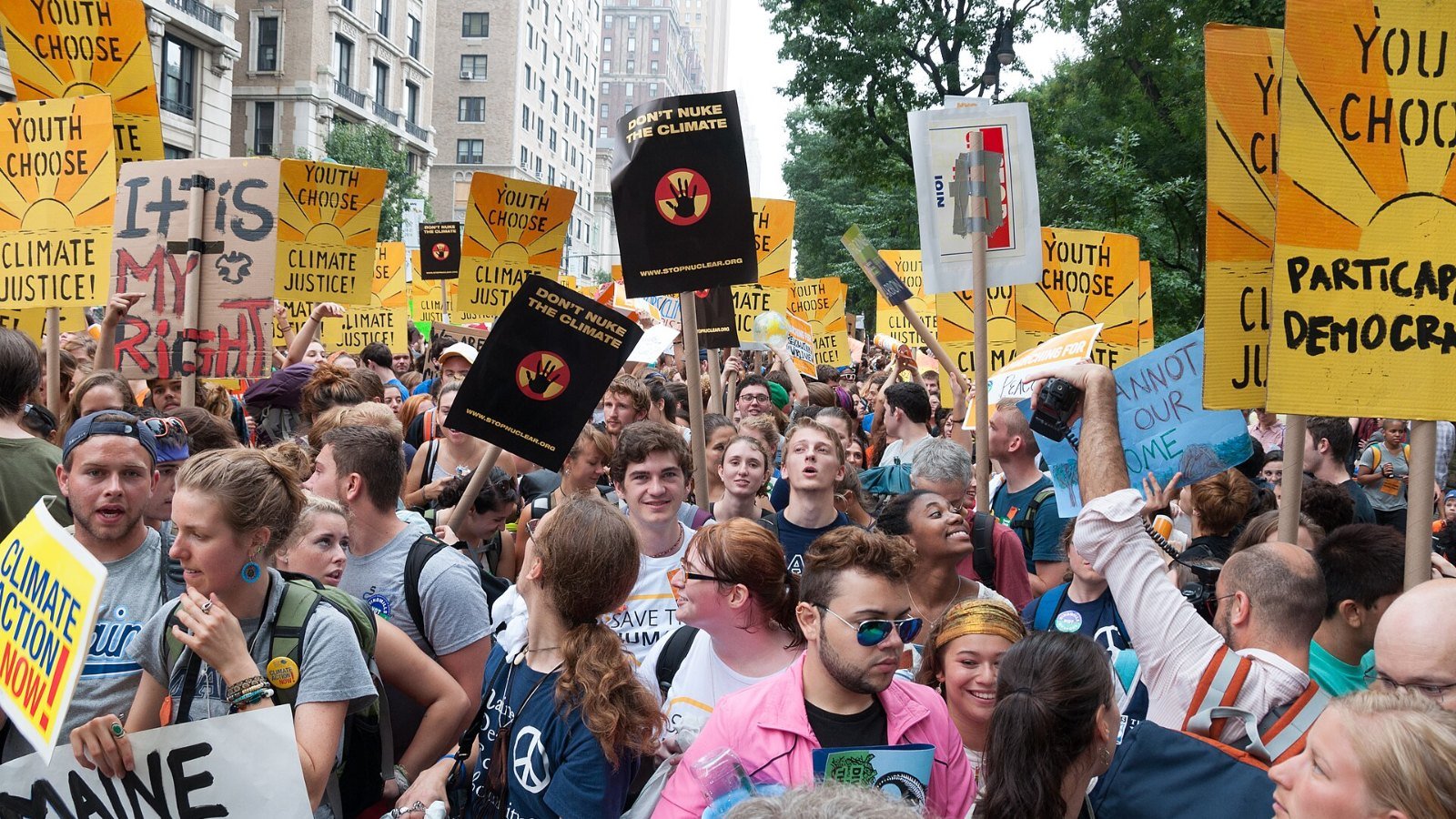
Thunberg’s words now fuel environmental groups across the UK. As a result, climate protests are up in cities from London to Manchester. Activists are calling for a faster move to Net Zero. At rallies and on social media, protesters often quote Thunberg, which shows her role as a leading climate voice.
Consequently, these protests have put UK climate policy under greater scrutiny. The government faces growing pressure to phase out fossil fuels and to clarify how it plans to reach Net Zero by 2050. While officials point to progress in renewable energy and emissions cuts, many campaigners say that the measures still lack real urgency.
Who is Greta Thunberg?
In case you’re not familiar, Thunberg first caught the world’s attention in 2018. She gained fame after striking outside the Swedish parliament, calling for stronger climate action. Her “Fridays for Future” campaign went across the globe and started thousands of similar school strikes. Now 21, Greta continues to challenge world leaders and call for climate justice and long-term Net Zero commitments.
Mixed Reactions From the UK
Reactions in the UK remain mixed. On one hand, some politicians and public figures say Thunberg’s efforts have given the climate movement fresh energy. They also say she has raised awareness on the need for urgent action. On the other hand, others argue that protests can disrupt daily life and sometimes ignore the UK’s progress, especially regarding its Net Zero targets.
Across the UK, think tanks, universities, and public commentators continue to debate the best way forward. Some support tougher policies and a faster switch to clean energy. Others call for a balanced approach to protect jobs and the wider economy. This ongoing debate keeps public opinion divided.
Looking Ahead: Will UK Policy Shift?
The attention on Greta Thunberg and the growing wave of climate protests shows no sign of fading in the UK. With the next COP climate talks on the horizon, campaigners will watch closely to see if the government steps up Net Zero action or announces more funding for renewables.
All in all, Greta Thunberg’s calls have clearly shaped the UK’s climate conversation. The next few months could be critical for UK climate policy—and for shaping how quickly the country meets its environmental goals.
The framework UK climate policy actually runs on
Discussion of climate activism in Britain frequently proceeds without reference to the statutory structure it is engaging with, which makes the arguments harder to assess than they need to be. UK climate policy rests on the Climate Change Act 2008, which established a legally binding long-term emissions target and, more importantly for practical purposes, a system of five-year carbon budgets that cap total emissions across the whole economy for each period.
The carbon budget mechanism is the part that gives the framework teeth. Budgets are set roughly twelve years in advance on the advice of an independent statutory adviser, and government is legally obliged to publish policies explaining how each will be met. Where those policies are judged insufficiently specific, the obligation has proved enforceable through the courts, which is why litigation has become a significant feature of UK climate policy rather than a fringe activity.
The independent adviser is the body whose assessments carry the most weight in the debate, and its annual progress reports are considerably more informative than most political commentary about whether targets are on track. Those reports are published by the Climate Change Committee, and they consistently identify the same pattern: emissions reductions achieved in electricity generation have outpaced those in heating, transport and agriculture, where the required changes touch households directly.
That asymmetry is the real substance of the argument. Decarbonising power generation required decisions by a small number of large operators. Decarbonising home heating and private transport requires decisions by tens of millions of households, each facing upfront costs, and the policy instruments available for that are considerably weaker and more politically contested.
Activism operates on this terrain rather than outside it. Its measurable effects have generally been on salience and on litigation rather than on emissions directly, which is a narrower claim than either supporters or critics usually make.
Why this matters to UK readers
The wider UK significance depends on what happens next and how official data develops. Readers should note the date of each source, distinguish confirmed facts from forecasts or political claims, and consult the linked primary material for the latest position.
PR Press will continue to review developments related to Greta Thunberg Inspires Fresh Look at UK Climate Policy and update the coverage when reliable new information becomes available.
Sources and further reading
- UK Government's official climate change strategy (gov.uk)
- Climate Change Committee (theccc.org.uk)