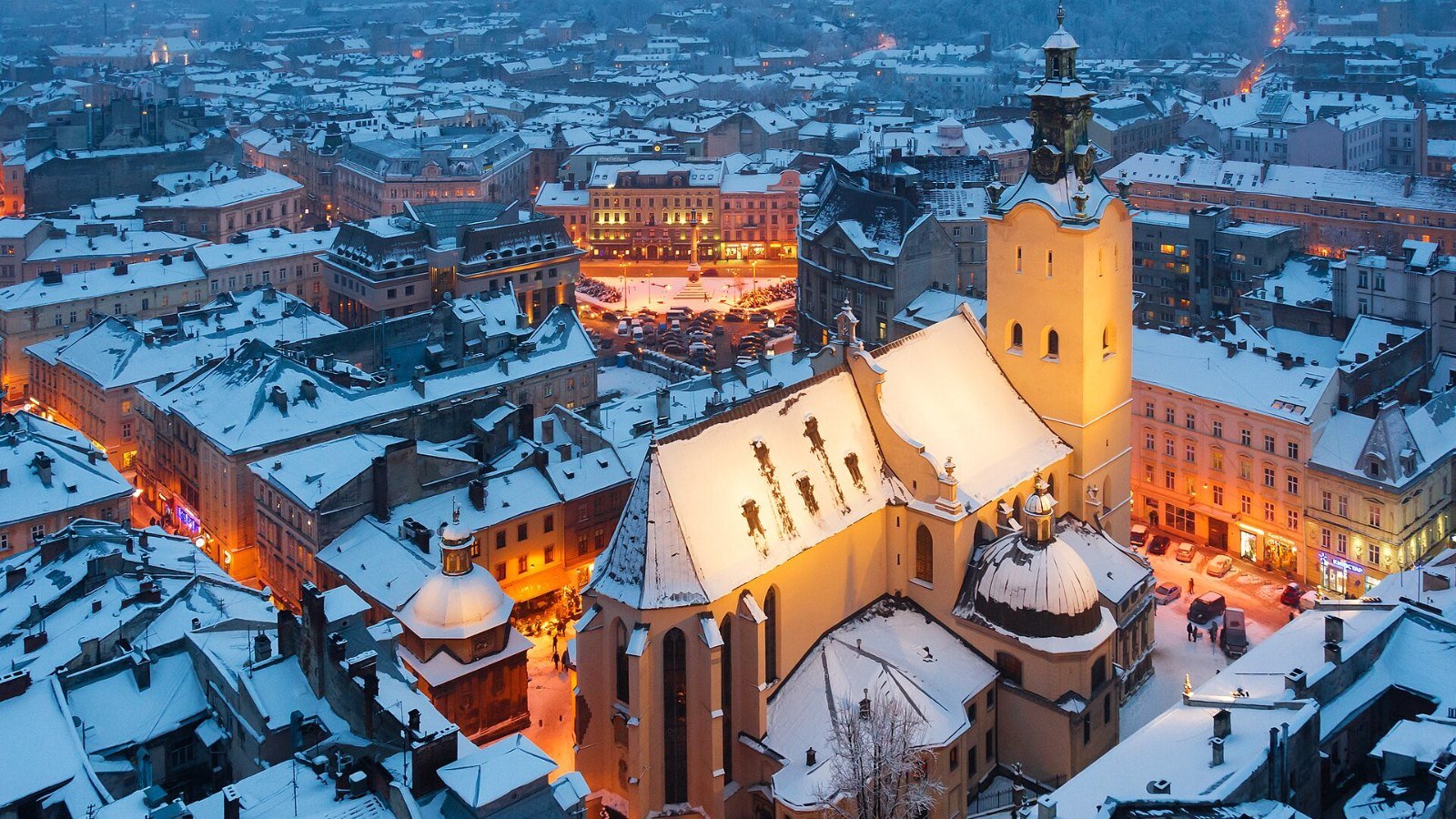
Heavy snowfall has swept across much of Europe, grinding travel to a halt and straining energy supplies. In response, countries throughout the continent have issued severe weather warnings, urging residents to prepare for continued winter weather.
Travel Chaos Hits Europe
Snowstorms and freezing temperatures have thrown Europe’s travel network into chaos. Major airports in Germany, Austria, and elsewhere are struggling to operate as hundreds of flights have been cancelled or severely delayed, affecting countless passengers.
Drivers have also faced nightmare conditions, with primary motorways—especially those in southern Germany and the alpine regions of France and Italy—shut down for long stretches. Road crews have been working overtime, but many travellers are still facing long delays as they wait for relief.
The snow hasn’t spared rail transport either. Reduced services are running on many high-speed and regional lines, while some trains aren’t running at all. Travellers attempting cross-border journeys now face additional hurdles as logistical snags continue to disrupt the European travel network.
UK Travel Disruption and Supply Chain Challenges
The effects are being felt in the UK too. Many airlines have cancelled flights between the UK and Europe, forcing travellers to scramble for alternate plans or face extended delays. As disruption persists, airport officials caution that clearing the backlog will take time.
It’s not just holidaymakers feeling the impact. Lorries carrying goods in and out of the UK have been delayed at ports and on snow-affected European roads, putting temporary pressure on supply chains and raising the risk of delays for imports and exports.
Experts at the Met Office are closely observing the situation. While the heaviest storms remain on the continent, there’s a chance these systems may shape the UK’s own weather in the near future.
Heavy Snow a Mixed Blessing for Alpine Resorts
For Europe’s alpine resorts, the surge in heavy snowfall is a double-edged sword. On one hand, the fresh powder is a dream come true for skiers and snowboarders. On the other, the sheer amount is making travel to mountain towns difficult and increasing the risk of avalanches. Many alpine resorts are urging guests to stay updated with local news and check road conditions before setting off.
Meanwhile, plummeting temperatures mean higher energy use as households and businesses across Europe crank up the heat. Energy providers are warning that demand is peaking, putting added pressure on national power grids during this cold snap.
Tips for UK Travellers
If you’re planning to head to Europe soon, especially to areas hit by the severe weather warnings, a little preparation goes a long way:
Stay Informed
Check with your airline, train service, or coach provider before leaving home. Confirm your booking and keep an eye on their latest updates, as changes can happen quickly. For official travel advice and up-to-date guidance, visit the UK Foreign Travel Advice page.
Double-Check Your Insurance
Make sure your travel insurance covers cancellations or delays due to winter weather. It’s always better to check the details before you need them.
Pack Wisely
If you’re driving, pack a winter kit: blankets, snacks, water, and a phone charger. For those flying, keep essentials and medication handy in your carry-on, just in case you face unexpected waits.
Outlook for the Next Few Days
Weather experts believe this stretch of winter weather could linger across mainland Europe for a few more days. While snowfall may become lighter, freezing conditions are expected to persist, keeping road surfaces icy and prolonging travel disruption. Anyone travelling from the UK to affected destinations should plan for potential delays as regions recover from the impact of this Europe snowfall.
What travellers are entitled to when winter weather disrupts Europe
Severe winter weather across Europe reliably produces two things: significant travel disruption, and widespread confusion about what passengers are owed. The rules differ by mode of transport and by whether the disruption is attributed to circumstances outside the operator’s control, and the distinction between compensation and assistance is where most misunderstanding sits.
For flights, heavy snow is generally treated as an extraordinary circumstance, which means no cash compensation is payable for the delay or cancellation. The airline’s duty of care, however, applies regardless: meals appropriate to the waiting time, accommodation and transfers if an overnight stay becomes necessary, and a choice between a refund and re-routing where a flight is cancelled. Airlines during major disruption frequently fail to offer this proactively, and passengers who arrange their own accommodation can reclaim reasonable costs with receipts. Guidance on what qualifies is published by the Civil Aviation Authority.
Rail rules are more favourable to passengers in one important respect: on cross-border European services, the operator’s obligation to provide onward travel or assistance is not generally waived by bad weather in the way that flight compensation is. Passengers stranded overnight on rail journeys have stronger entitlements to accommodation than air passengers in equivalent circumstances, though enforcing them during widespread disruption is another matter.
Travel insurance is where the gap is usually covered, and the exclusions matter. Many policies exclude disruption that was forecast before departure, which means booking travel into a region already under severe weather warnings can void the relevant cover. Checking the policy wording before travelling rather than after is the only useful time to do it.
Practically: keep all receipts, photograph departure boards, avoid abandoning a booking before speaking to the operator, and treat social media announcements as less reliable than the operator’s own disruption page.
Sources and further reading
- UK Foreign Travel Advice (gov.uk)
- Civil Aviation Authority (caa.co.uk)