


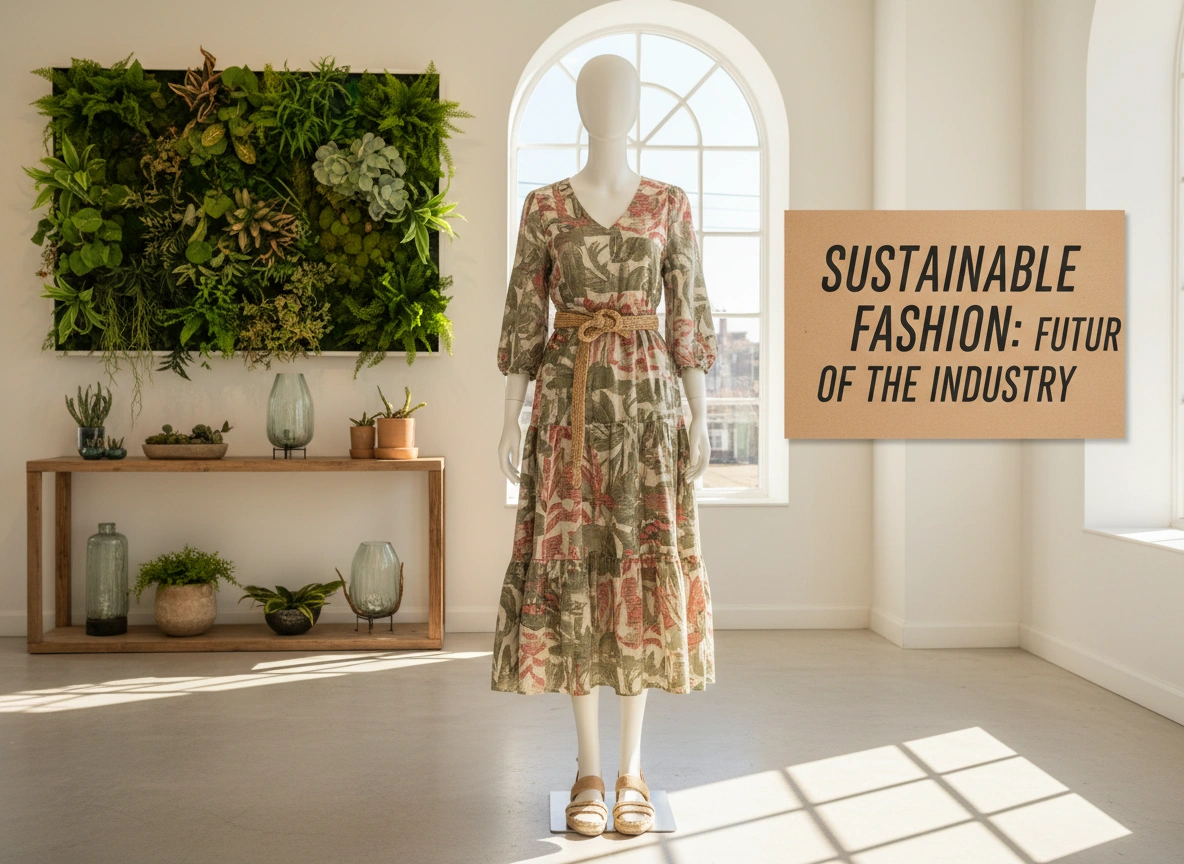
The clothes we wear tell a story. For decades, that story was one of glamour, expression, and rapid turnover. But recently, a darker narrative has emerged—one of overflowing landfills, polluted rivers, and exploited labor. The fashion industry stands at a critical crossroads. It can continue down the path of rampant consumption and environmental degradation, or it can pivot toward a future defined by responsibility and regeneration.
Sustainable fashion is no longer a niche trend for the eco-conscious few; it is becoming a business imperative. As consumers wake up to the true cost of their $5 t-shirts, brands are scrambling to rewrite their operations. This shift represents the most significant transformation the industry has seen since the Industrial Revolution. We are moving from a linear model of “take-make-waste” to a circular economy where materials are valued, reused, and respected.
This article explores why sustainability is not just an option but the definitive future of fashion. We will examine the environmental toll of fast fashion, the innovations driving change, and how consumer behavior is forcing even the biggest giants to adapt.
The True Cost of Looking Good
To understand where we are going, we must look at where we are. The current state of the fashion industry is, frankly, unsustainable. It is responsible for approximately 10% of global carbon emissions—more than all international flights and maritime shipping combined.
Environmental Impact
Water consumption remains a staggering issue. It takes about 2,700 liters of water to make a single cotton shirt. That is enough for one person to drink for two and a half years. Beyond consumption, the industry is a major polluter. Textile dyeing is the second largest polluter of water globally. Chemicals used to treat fabric often end up in local waterways, devastating ecosystems and harming communities.
Furthermore, synthetic fibers like polyester, which now dominate the market, are essentially plastic. When we wash these garments, they shed millions of microplastics that eventually make their way into our oceans and food chains.
The Social Toll
Sustainability isn’t just about the planet; it’s about people. The fast fashion model relies on driving down costs, often at the expense of worker safety and fair wages. The 2013 Rana Plaza collapse in Bangladesh was a tragic wake-up call, exposing the dangerous conditions millions of garment workers endure. While some progress has been made, labor exploitation remains rampant in supply chains that lack transparency. True sustainability demands social justice, ensuring that the hands that stitch our clothes are treated with dignity and paid a living wage.
Innovation: Redefining Materials and Processes
The good news is that the industry is responding with remarkable innovation. We are seeing a boom in alternative materials and cleaner production methods that challenge the status quo.
Lab-Grown and Bio-Based Materials
Leather made from mushrooms (mycelium), silk spun from yeast, and fabric created from orange peels are no longer science fiction. Companies like Bolt Threads and Ananas Anam (Piñatex) are creating high-quality alternatives to animal products that are both biodegradable and cruelty-free. These bio-based materials offer the durability and aesthetic of traditional textiles with a fraction of the environmental footprint.
Waterless Dyeing Technologies
Addressing the water crisis, startups are developing waterless dyeing technologies. Companies like ColorZen and DyeCoo use compressed carbon dioxide or special chemical treatments to dye fabric without using a single drop of water. This not only conserves a precious resource but also eliminates the toxic wastewater discharge that plagues traditional manufacturing hubs.
Circular Design Principles
The most transformative innovation is a shift in mindset: designing for circularity. This means creating clothes that are meant to be disassembled and recycled from the very start. The Ellen MacArthur Foundation’s “Jeans Redesign” project is a prime example, setting guidelines for durability, material health, and recyclability. Brands are now exploring monomaterial garments (made from a single fiber type) which makes recycling significantly easier than separating blended fabrics.
The Role of Technology in Transparency
Greenwashing—where brands make misleading claims about their eco-friendly efforts—is a significant hurdle. Consumers want to shop ethically, but they often don’t know who to trust. Technology is stepping in to bridge this gap.
Blockchain for Supply Chains
Blockchain technology provides an immutable ledger that can track a garment’s journey from farm to closet. By scanning a QR code, a customer could theoretically see exactly where the cotton was grown, who stitched the fabric, and verify that fair wages were paid at every step. This level of radical transparency forces brands to be accountable. If a brand cannot tell you where their clothes were made, they likely have something to hide.
AI and Data-Driven Production
Overproduction is a massive source of waste. Brands often produce millions of items based on guesswork, leading to unsold stock that ends up incinerated or in landfills. Artificial Intelligence (AI) helps brands predict trends and demand more accurately. This allows for smaller, more precise production runs, reducing the mountain of deadstock inventory that plagues the industry.
The Consumer Shift: Demand Drives Supply
While technology and materials evolve, the most powerful driver of change is the person with the wallet. A seismic shift in consumer behavior is underway, led largely by Gen Z and Millennials.
The Rise of Resale and Rental
Ownership is being redefined. The second-hand market is growing 11 times faster than traditional retail. Platforms like Depop, ThredUp, and The RealReal have destigmatized used clothing, turning thrifting into a status symbol. Similarly, rental models like Rent the Runway offer access to luxury without the waste of ownership. This “fashion as a service” model extends the lifespan of garments and reduces the demand for new production.
Values-Based Shopping
Modern consumers vote with their dollars. Studies consistently show that shoppers are willing to pay a premium for sustainable products. Conversely, they are quick to boycott brands that violate ethical standards. Social media amplifies this accountability. A brand’s reputation can be dismantled overnight if they are caught burning unsold stock or exploiting workers. This pressure forces companies to treat sustainability not as a marketing gimmick, but as a core operational pillar.
Economic Implications: The Business Case for Sustainability
Skeptics often argue that sustainable fashion is too expensive. However, the economic reality is shifting. The cost of inaction is becoming higher than the cost of adaptation.
Risk Mitigation
Climate change poses a direct threat to fashion supply chains. extreme weather events disrupt cotton farming and manufacturing logistics. By investing in resilient, regenerative agriculture and diverse supply chains, brands are essentially buying insurance against future disruptions.
Operational Efficiency
Sustainability often equates to efficiency. Reducing water, energy, and material waste directly lowers operating costs. Furthermore, circular business models—like repair services and resale platforms—open up entirely new revenue streams that don’t rely on extracting new raw materials.
Conclusion: A Collaborative Future
The transition to a sustainable fashion industry is not a destination; it is a journey of continuous improvement. It requires collaboration between competitors, governments, and consumers. We need legislation that enforces environmental standards and holds polluters accountable. We need investors to fund the scaling of green technologies. And we need consumers to buy less, choose better, and make their clothes last.
The future of fashion is not about sacrificing style or creativity. It is about decoupling growth from resource extraction. It is about an industry that restores the environment rather than depleting it, and empowers people rather than exploiting them. The technology exists. The consumer demand is growing. The only question remaining is which brands will lead the charge, and which will be left behind in the dust of the old world.
Please visit website for more info

