


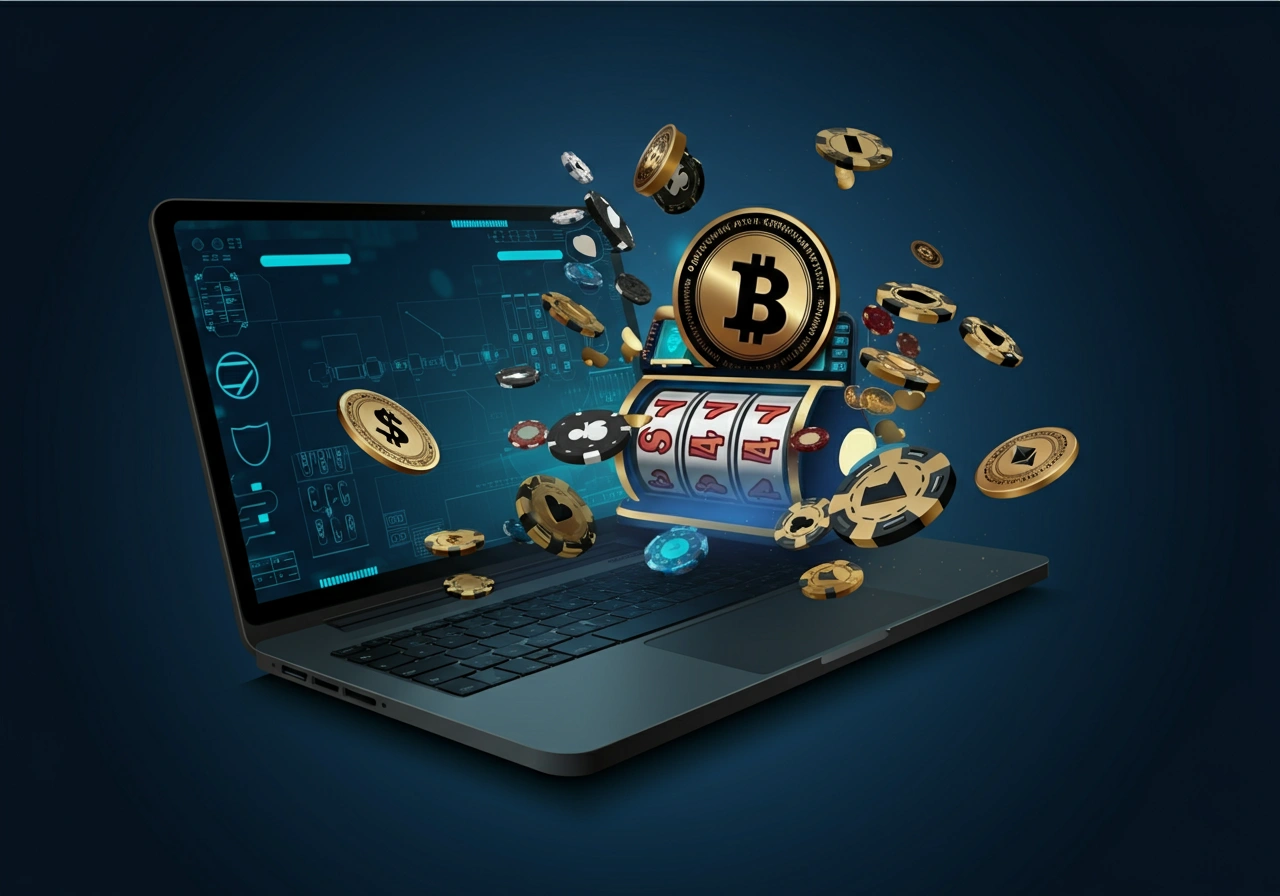
The worlds of online gaming and digital currency are colliding, creating a powerful synergy that promises to reshape both industries. Cryptocurrency offers a solution to many of the long-standing challenges in iGaming, including payment processing, security, and player privacy. For operators, it opens up new markets and streamlines financial operations. For players, it provides a level of autonomy and security previously unavailable. But is this pairing truly a perfect match, or are there significant hurdles to overcome?
This article explores the deep connection between iGaming and cryptocurrency. We will examine the tangible benefits this integration offers to both players and platforms, from enhanced security to global accessibility. We’ll also address the considerable challenges, such as regulatory uncertainty and market volatility, that stand in the way of widespread adoption. Finally, we’ll look toward the future to understand the long-term potential of this dynamic partnership.
The Core Benefits of Integrating Cryptocurrency in iGaming
The fusion of cryptocurrency and iGaming introduces a host of advantages that traditional financial systems struggle to match. These benefits center on improving efficiency, security, and the overall user experience.
Enhanced Security and Player Anonymity
Security is a primary concern for online players. Traditional payment methods require users to share sensitive personal and financial data, such as credit card numbers and bank details, making them targets for fraud and data breaches. Cryptocurrency transactions, however, operate on a different principle.
By using blockchain technology, transactions are recorded on a decentralized, immutable ledger. This structure makes it incredibly difficult for malicious actors to alter transaction histories or steal funds. Players can make deposits and withdrawals using only a wallet address, eliminating the need to expose their personal financial information to the gaming platform. This provides a powerful layer of anonymity and protects users from potential identity theft.
Unprecedented Speed and Lower Transaction Costs
One of the most significant pain points in traditional iGaming is the speed of financial transactions. Deposits can sometimes be instant, but withdrawals often take days to process due to bank verification, intermediary processing, and international transfer delays. This waiting period can be a major source of frustration for players.
Cryptocurrencies bypass these traditional banking systems entirely. Transactions are processed directly between the player’s wallet and the operator’s wallet on the blockchain network. This peer-to-peer system reduces withdrawal times from days to mere minutes or even seconds. Furthermore, by cutting out financial intermediaries like banks and payment processors, transaction fees are drastically reduced. Operators can pass these savings on to players or reinvest them into the platform, creating a more efficient and cost-effective ecosystem for everyone involved.
Global Accessibility and Financial Inclusion
Traditional online gaming is often hampered by geographical restrictions and currency conversion issues. Players in certain regions may find their payment methods are not supported, or they may face high fees for converting their local currency. This can lock out a significant portion of the potential global market.
Cryptocurrencies are borderless by nature. Digital assets like Bitcoin, Ethereum, and others operate on a global network, accessible to anyone with an internet connection. This allows players from anywhere in the world to participate without worrying about banking restrictions or currency exchange rates. For iGaming operators, this opens the door to untapped markets and a truly global player base, fostering greater financial inclusion and expanding their operational reach.
The Challenges Facing Crypto-iGaming Adoption
Despite the compelling benefits, the path to fully integrating cryptocurrency into the iGaming world is not without its obstacles. These challenges range from regulatory complexities to the inherent nature of the crypto market itself.
The Regulatory Maze
The regulatory landscape for both iGaming and cryptocurrency is complex and varies dramatically from one jurisdiction to another. Many governments are still grappling with how to classify and regulate digital assets. This legal uncertainty creates a high-risk environment for iGaming operators who wish to adopt crypto payments.
Some countries have embraced cryptocurrencies, while others have imposed strict bans or heavy regulations. An iGaming platform operating globally must navigate this patchwork of laws, which can be a compliance nightmare. Obtaining licenses for crypto-iGaming is often more difficult and expensive than for traditional operations. Until clearer and more consistent international regulations are established, many operators will remain hesitant to fully commit to crypto integration.
Market Volatility and Risk Management
Perhaps the most well-known characteristic of the cryptocurrency market is its volatility. The value of digital assets can fluctuate wildly in short periods. This presents a significant risk for both players and operators. A player might deposit funds worth a certain amount, only to see its value drop significantly before they even place a bet.
For operators, managing a treasury of volatile assets is a major financial challenge. They must implement sophisticated risk management strategies to hedge against price swings and ensure they can cover winnings and operational costs. While stablecoins—cryptocurrencies pegged to the value of a stable asset like the US dollar—offer a potential solution, the volatility of other popular cryptocurrencies remains a major barrier to mainstream adoption.
User Experience and Onboarding
While tech-savvy individuals may be comfortable using cryptocurrencies, the process can be intimidating for the average person. Setting up a digital wallet, purchasing crypto from an exchange, and understanding how to securely manage private keys involves a learning curve. This can create a barrier to entry for casual players who are accustomed to the simplicity of using a credit card or e-wallet.
For crypto-iGaming to achieve widespread adoption, platforms must invest in creating a seamless and user-friendly experience. This includes providing clear instructions, integrating easy-to-use wallet solutions, and offering robust customer support to guide new users through the process. Simplifying the onboarding journey is crucial for bridging the gap between the crypto-native audience and the broader gaming community.
The Future of iGaming and Cryptocurrency
The relationship between iGaming and cryptocurrency is still in its early stages, but its future potential is immense. As technology matures and regulations evolve, we can expect to see deeper and more innovative integrations that go far beyond simple payments.
The Rise of Decentralized Gaming Platforms
Blockchain technology enables the creation of fully decentralized autonomous organizations (DAOs) and decentralized applications (dApps). This could lead to the development of iGaming platforms that are not owned or controlled by a single entity. Instead, they would be governed by smart contracts and their community of token holders.
In such a model, game rules would be transparent and provably fair, as the code would be open for anyone to inspect on the blockchain. Winnings would be paid out automatically by smart contracts, eliminating any possibility of a platform withholding funds. This shift would place unprecedented power and trust in the hands of the players.
NFTs and the Tokenization of In-Game Assets
Non-fungible tokens (NFTs) are poised to revolutionize the concept of ownership within gaming. In the context of iGaming, NFTs could represent unique in-game items, special access passes, or even a share of a casino’s revenue. Players could truly own their digital assets, with the ability to trade or sell them on open marketplaces.
This creates a secondary economy around the gaming platform, adding another layer of engagement and potential profit for players. For example, a rare NFT won in a poker tournament could become a valuable collectible. This model transforms players from simple users into active stakeholders in the game’s ecosystem.
A Promising, Yet Complex, Partnership
The integration of cryptocurrency and iGaming represents far more than just a new payment method. It marks a fundamental shift toward a more secure, transparent, and globally accessible online gaming experience. The benefits—faster transactions, lower costs, enhanced privacy, and financial inclusion—are compelling arguments for its adoption.
However, the journey ahead is complex. Regulatory ambiguity, market volatility, and user experience challenges must be addressed before this synergy can reach its full potential. Operators who can successfully navigate these hurdles will be well-positioned to lead the next generation of iGaming. While it may not be a match made in heaven just yet, the partnership between iGaming and cryptocurrency is undeniably shaping a more decentralized and player-centric future for the industry.
You may also visit this website บาคาร่า

