


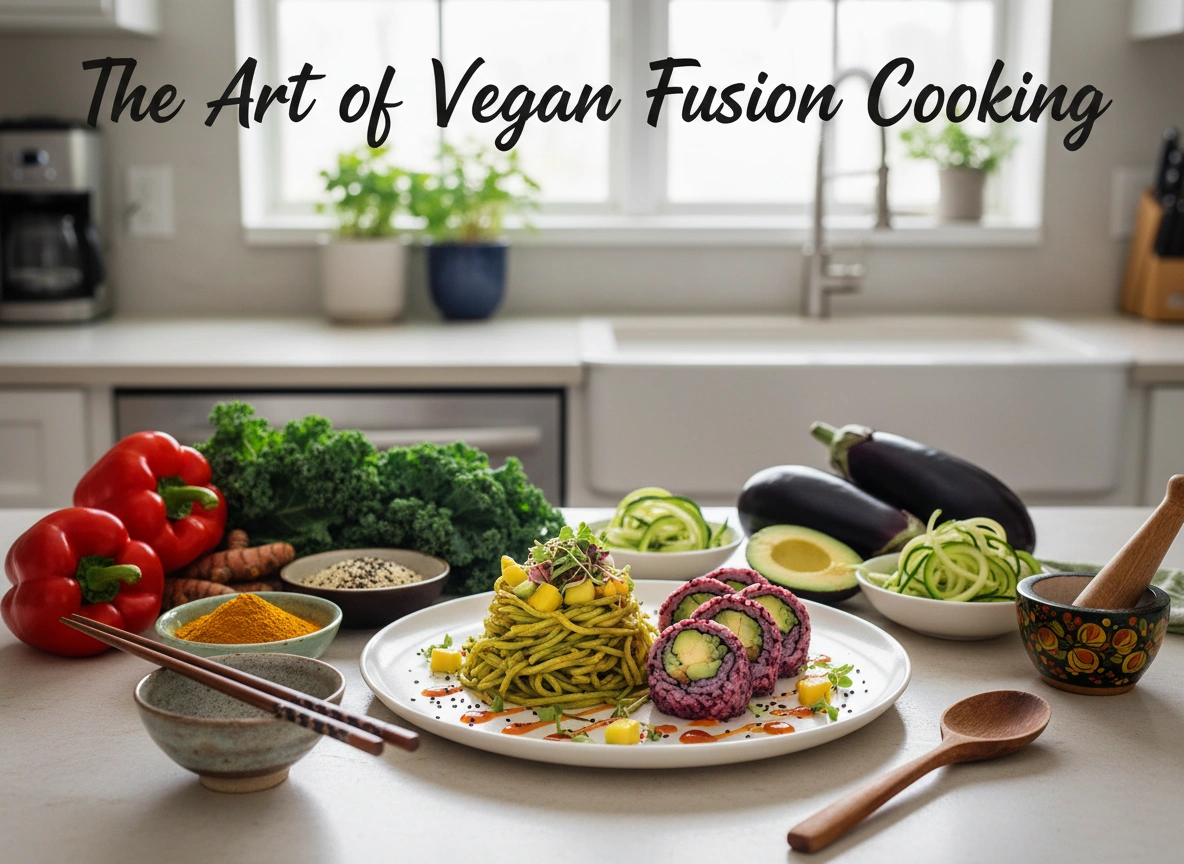
Vegan cooking has evolved far beyond simple salads and basic grain bowls. A vibrant and creative movement is taking center stage: vegan fusion cooking. This culinary art form breaks down traditional barriers, blending flavors, ingredients, and techniques from different cultures to create dishes that are entirely new and exciting. It’s an approach that celebrates the versatility of plants while taking your taste buds on a global journey from the comfort of your kitchen.
This article will guide you through the exciting world of vegan fusion. We will explore what it means to cook with a fusion mindset, discover its many benefits, and learn how to start creating your own unique, plant-based masterpieces. Whether you’re a long-time vegan or just curious about plant-based eating, fusion cooking offers a universe of delicious possibilities.
What is Vegan Fusion Cooking?
At its heart, fusion cooking is the practice of combining elements from two or more distinct culinary traditions. When applied to veganism, it involves using plant-based ingredients to bridge these global cuisines. This could be as simple as using a French cooking technique to prepare a Japanese vegetable or as complex as deconstructing a traditional Mexican dish and rebuilding it with Thai flavors.
Vegan fusion is not about confusion. It’s a thoughtful and intentional process. A successful fusion dish doesn’t just throw ingredients together randomly; it finds a harmonious balance. The goal is to create a plate where different elements complement and elevate one another, resulting in a cohesive and memorable flavor experience. For example, think of Korean BBQ tacos made with jackfruit, kimchi slaw, and a gochujang-spiced crema. This dish takes the structure of a Mexican taco and fills it with the bold, savory flavors of Korean cuisine, all while remaining 100% plant-based.
The Benefits of Embracing Vegan Fusion
Adopting a fusion approach in your vegan kitchen offers more than just exciting meals. It comes with a range of benefits that can deepen your appreciation for food and cooking.
Unleashing Creativity
Fusion cooking encourages you to think outside the box. It frees you from the constraints of traditional recipes and empowers you to experiment. What happens when you add Indian spices to an Italian pasta sauce? Or use coconut milk to create a creamy risotto? This playful approach turns cooking from a chore into a creative outlet.
Expanding Your Palate
By combining different flavor profiles—sweet, sour, salty, spicy, and umami—from various cultures, you expose your palate to new sensations. This helps you develop a more sophisticated understanding of how flavors work together. You might discover a love for a spice you’ve never tried or a newfound appreciation for a common vegetable prepared in an unconventional way.
Making Veganism More Accessible and Exciting
For those new to veganism, the idea of giving up familiar dishes can be daunting. Fusion cooking offers a solution. It allows you to recreate the essence of beloved non-vegan meals using plant-based ingredients and global flavors. This makes the transition to a vegan lifestyle feel less like a sacrifice and more like an adventure. It keeps your meal rotation fresh, preventing the food fatigue that can sometimes set in.
Popular Vegan Fusion Concepts
To better understand the practice, let’s look at some popular combinations that have gained traction in restaurants and home kitchens around the world.
Tex-Mex and Asian Flavors
This is a classic fusion pairing for a reason. The robust, earthy flavors of Tex-Mex cuisine—think cumin, chili powder, and cilantro—pair wonderfully with the bright, zesty notes of Southeast Asian food, like lemongrass, ginger, and lime. A great example is a burrito filled with Sriracha-marinated tofu, pickled daikon and carrots, fresh mint, and a peanut-lime sauce.
Italian and Middle Eastern Cuisine
Imagine a classic Italian dish with a Middle Eastern twist. You could make a hummus-based pizza topped with roasted eggplant, Kalamata olives, and a sprinkle of za’atar. Another idea is a lentil bolognese infused with spices like cinnamon and allspice, served over pasta and finished with a dollop of dairy-free labneh and fresh parsley. The richness of Italian comfort food is beautifully balanced by the aromatic spices of the Middle East.
Indian and Caribbean Flavors
Both cuisines use a rich array of spices, but their flavor profiles are distinct. Combining them can lead to incredible results. Consider a Caribbean-style curry made with coconut milk, chickpeas, and sweet potatoes, but with the addition of Indian spices like garam masala and turmeric. Served with a side of mango salsa and fried plantains, this dish is a tropical and aromatic delight.
Tips for Creating Your Own Vegan Fusion Dishes
Ready to become a fusion artist in your own kitchen? The key is to start with a solid foundation and build from there. Follow these tips to guide your culinary experiments.
1. Master the Basics
Before you can successfully break the rules, you need to understand them. Get familiar with the foundational flavor profiles and cooking techniques of at least two different cuisines you’d like to combine. Understand what makes a Thai curry taste like a Thai curry, or what gives a Mexican mole its depth. This knowledge will serve as your compass.
2. Find a Bridge
Look for common ingredients or flavor profiles that can act as a bridge between the two cuisines. For instance, both Italian and Mexican cooking rely heavily on tomatoes and garlic. This shared base makes them easy to fuse. Similarly, many Asian and Latin American cuisines use cilantro and lime, creating a natural connection point.
3. Balance is Everything
A successful fusion dish is balanced. If you’re using a very spicy element from one cuisine, pair it with something cooling or sweet from another. If you have a rich, heavy component, lighten it up with some acidity or fresh herbs. Aim for a harmony of taste (sweet, sour, salty, bitter, umami) and texture (creamy, crunchy, soft, chewy).
4. Respect the Ingredients
The best vegan cooking, fusion or otherwise, starts with high-quality, fresh ingredients. Let the natural flavors of your vegetables, fruits, and legumes shine. Don’t overwhelm them with too many competing spices or sauces. Often, the most elegant fusion dishes are those that are simple and allow each component to be tasted.
5. Start Small and Taste Often
Don’t try to create a ten-component masterpiece on your first try. Start with a simple idea, like adding a new spice to a familiar recipe. For example, add a pinch of smoked paprika to your usual tofu scramble. Taste your food at every stage of the cooking process. This allows you to adjust seasonings and ensure the flavors are developing the way you want them to. Cooking is a dynamic process, and tasting as you go is the best way to stay in control.
Vegan fusion cooking is a celebration of global culinary diversity and the endless potential of plant-based ingredients. It’s an invitation to be bold, curious, and creative in the kitchen. By understanding different culinary traditions and learning how to blend them thoughtfully, you can craft dishes that are not only delicious but also deeply personal. So open your spice cabinet, pull out a world map for inspiration, and start your own flavorful journey.
Please visit website for more info.

